1. What Is FR-4?
When selecting PCB Materials, FR-4 is often referred to as a type of glass fiber-reinforced epoxy resin material. However, strictly speaking, FR-4 is not a material name, but a flame-retardant grade classification.
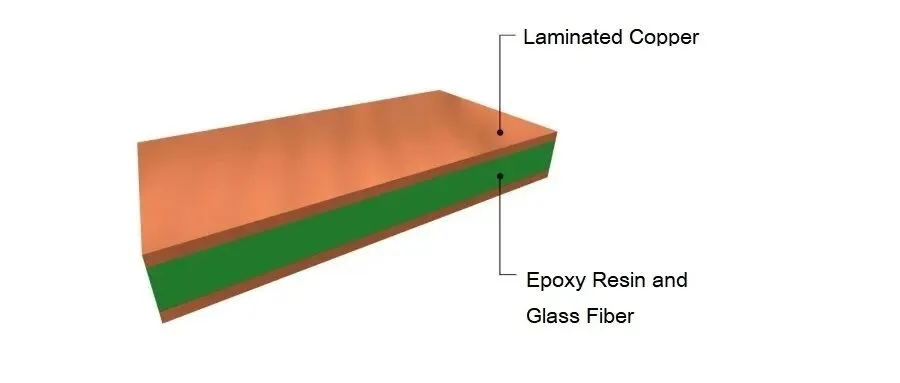
FR-4 PCB
The specification standard for FR-4 was established by NEMA (National Electrical Manufacturers Association). In the NEMA classification system, FR stands for Flame Retardant. FR-4 refers to a laminate material that uses epoxy resin as the matrix, woven glass fabric as the reinforcing material, and meets the UL94 V-0 flame-retardancy rating.
At present, there are many types of FR-4 grade materials used in PCB manufacturing. Most of them are composite materials made from tetrafunctional epoxy resin, combined with fillers and glass fiber reinforcement.
The flame-retardancy rating of a PCB depends on its base material and can be classified as follows:
|
Substrate Type |
Grade |
Material |
Flame Retardant |
|
Paper Substrate |
XPC |
Phenolic ResinFiber Paper |
UL94 HB |
|
Paper Substrate |
XXPC |
Modified Phenolic ResinFiber Paper |
UL94 HB |
|
Paper Substrate |
FR-1 |
Flame Retardant Phenolic ResinFiber Paper |
UL94 V-1 |
|
Paper Substrate |
FR-2 |
Flame Retardant Phenolic ResinFiber Paper |
UL94 V-1 |
|
Glass Cloth Substrate |
FR-4 |
Epoxy ResinGlass Cloth |
UL94 V-0 |
|
Glass Cloth Substrate |
FR-5 |
Epoxy ResinGlass Cloth |
UL94 V-0 |
|
Composite Substrate |
CEM-1 |
Epoxy ResinFiber PaperGlass Cloth |
UL94 V-0 |
|
Composite Substrate |
CEM-3 |
Epoxy ResinGlass ClothGlass Mat |
UL94 V-0 |
Paper-Based Laminate
Phenolic paper laminate uses phenolic resin as the binder and wood-pulp fiber paper as the surface reinforcement material. XPC and XXPC are non-flame-retardant grades, while FR-1, FR-2, and FR-3 are flame-retardant grades. Due to their low cost, these materials are mainly used in products such as toys, radios, telephones, and calculators.
Glass Fiber Fabric Laminate
Epoxy glass fiber fabric laminate, commonly known as epoxy board, fiberglass board, or FR-4, is a type of substrate that uses epoxy resin as the binder and electronic-grade glass fiber fabric as the reinforcing material. Both FR-4 and FR-5 are flame-retardant grades.
Epoxy glass fiber reinforced copper-clad laminates offer high mechanical strength, excellent heat resistance, and good dielectric properties. They are the most widely used and highest-volume category among copper-clad laminates. They are extensively applied in mobile communications, digital television, consumer electronics, and other electronic products.
Composite Laminate
The CEM series copper-clad laminates, most commonly CEM-1 and CEM-3, are composite materials. In terms of mechanical properties and manufacturing cost, the CEM series composite laminates are positioned between epoxy glass fiber laminates and phenolic paper laminates.
At present, the electrical performance of CEM-3 copper-clad laminates is no less than that of standard FR-4 glass fiber epoxy copper-clad laminates. In terms of mechanical drilling machinability, CEM-3 is superior to FR-4. Some CEM-3 products also demonstrate better performance than standard FR-4 in CTI (Comparative Tracking Index), board dimensional accuracy, and dimensional stability.
2. Performance Parameters of FR-4
The performance indicators of FR-4 substrates include: glass transition temperature (Tg), thermal decomposition temperature (Td) of the base material, dissipation factor (Df), dielectric constant (Dk), comparative tracking index (CTI), coefficient of thermal expansion (CTE), water absorption rate, and adhesion properties of the material, among others.
Taking FR-4 Laminates from Yilong, Nelco, and Ventec as examples:
|
Manufacturer |
Yilong |
Nelco |
Ventec |
|
Board Code |
370HR |
N4000-13 |
VT-47 |
|
Tg(℃) |
180 |
210 |
170 |
|
Td(℃) |
340 |
350 |
340 |
|
Dk@10Ghz |
3.92 |
3.6 |
4.27 |
|
Df@10Ghz |
0.025 |
0.009 |
0.046 |
|
CTI |
3 |
3 |
3 |
|
Water Absorption(%) |
0.15 |
0.1 |
0.12 |
Glass Transition Temperature (Tg) and Thermal Decomposition Temperature (Td)
The Tg value (glass transition temperature) refers to the temperature at which a material transitions from a relatively rigid “glass-like” state to a more flexible and deformable state.
As long as the thermal decomposition temperature (Td) is not reached, this thermodynamic change is reversible. When the material is cooled below the Tg value, it can return to a rigid state.
However, once the temperature exceeds the thermal decomposition temperature (Td), the FR-4 material will undergo irreversible degradation and failure.
In the industry, FR-4 Laminates are generally classified into three grades based on their Tg (glass transition temperature):
Low Tg FR-4: Tg around 135°C
Medium Tg FR-4: Tg around 150°C
High Tg FR-4: Tg around 170°C
When PCB manufacturing involves multiple lamination cycles, high layer counts, high soldering temperatures (≥230°C), high operating temperatures (above 100°C), or significant thermal stress during assembly (e.g., wave soldering), high Tg materials should be selected.
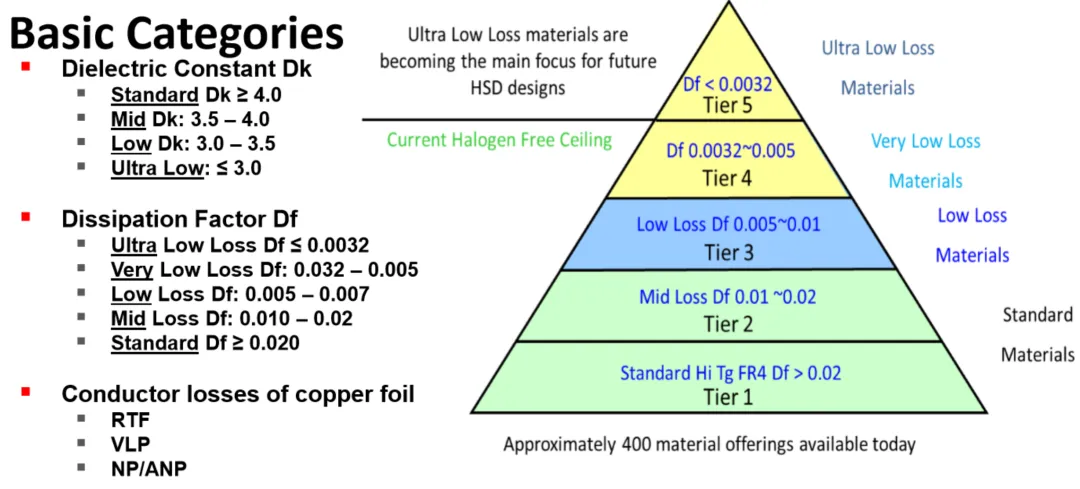
Dissipation Factor (Df) and Dielectric Constant (Dk)
The dielectric constant (Dk) and dielectric loss angle are two fundamental properties of dielectric materials. Both parameters vary with frequency. A higher dissipation factor (Df) results in greater signal attenuation. The dielectric constant (Dk) primarily affects impedance characteristics.
FR-4 Laminates can be classified based on their dissipation factor (Df) as follows:
Standard loss laminates: Df ≥ 0.02
Medium loss laminates: 0.01 ≤ Df < 0.02
Low loss laminates: 0.005 ≤ Df < 0.01
Ultra-low loss laminates: Df < 0.005
Comparative Tracking Index (CTI)
The Comparative Tracking Index (CTI) is used to measure the electrical tracking (surface breakdown) resistance of insulating materials.
Electrical tracking occurs on the surface of an insulating material. Due to dielectric losses, heat is generated within the material, leading to thermal decomposition and carbonization of the dielectric. This carbonized path gradually extends toward the electrodes, eventually causing a short circuit.
The CTI value is positively correlated with the insulation performance of the material. A higher CTI value means better resistance to tracking and allows for a smaller required creepage distance, meaning the spacing between two conductors can be reduced.
|
CTI (V) |
Level (PLC) |
|
CTI≥600 |
0 |
|
400≤CTI<600 |
1 |
|
250≤CTI<400 |
2 |
|
175≤CTI<250 |
3 |
|
100≤CTI<175 |
4 |
|
CTI<100 |
5 |
For applications such as aircraft and marine systems, where products operate under high voltage and high current conditions, and where high insulation performance is required, FR-4 Laminates with a high CTI rating should be selected.
3. Limitations of FR-4 Laminates
Despite its advantages such as low cost, good machinability, stable electrical performance, high mechanical strength, and good heat resistance, FR-4 shows inherent limitations in high-speed, high-frequency, and high-power applications.
Signal Loss
As signal propagation speed increases and transmission distance becomes longer, in-board signal attenuation becomes a critical factor that must be considered during PCB layout design.
The dissipation factor (Df) of FR-4 is approximately 0.020, while most high-speed laminate materials have a Df value around 0.004, which is only about one quarter of FR-4’s value. A lower Df value results in lower signal transmission loss.
As signal frequency increases, the Df of FR-4 rises significantly, leading to higher dielectric losses. The figure below compares the relationship between insertion loss (dB per inch of trace length) for FR-4 and high-speed materials such as Rogers Corporation RO4350B.
Conclusion
FR-4 remains the most widely used PCB base material due to its balanced performance and cost advantage. However, different applications require selecting suitable materials based on electrical and thermal demands.
As a professional supplier of PCB raw materials, Yilong provides FR-4, CEM series, and other laminate materials to support reliable PCB manufacturing for various industrial applications.
For PCB raw materials and laminate solutions, please contact Yilong@Yilonginsulation.com or visit www.Yilonginsulation.com for more information or technical support.
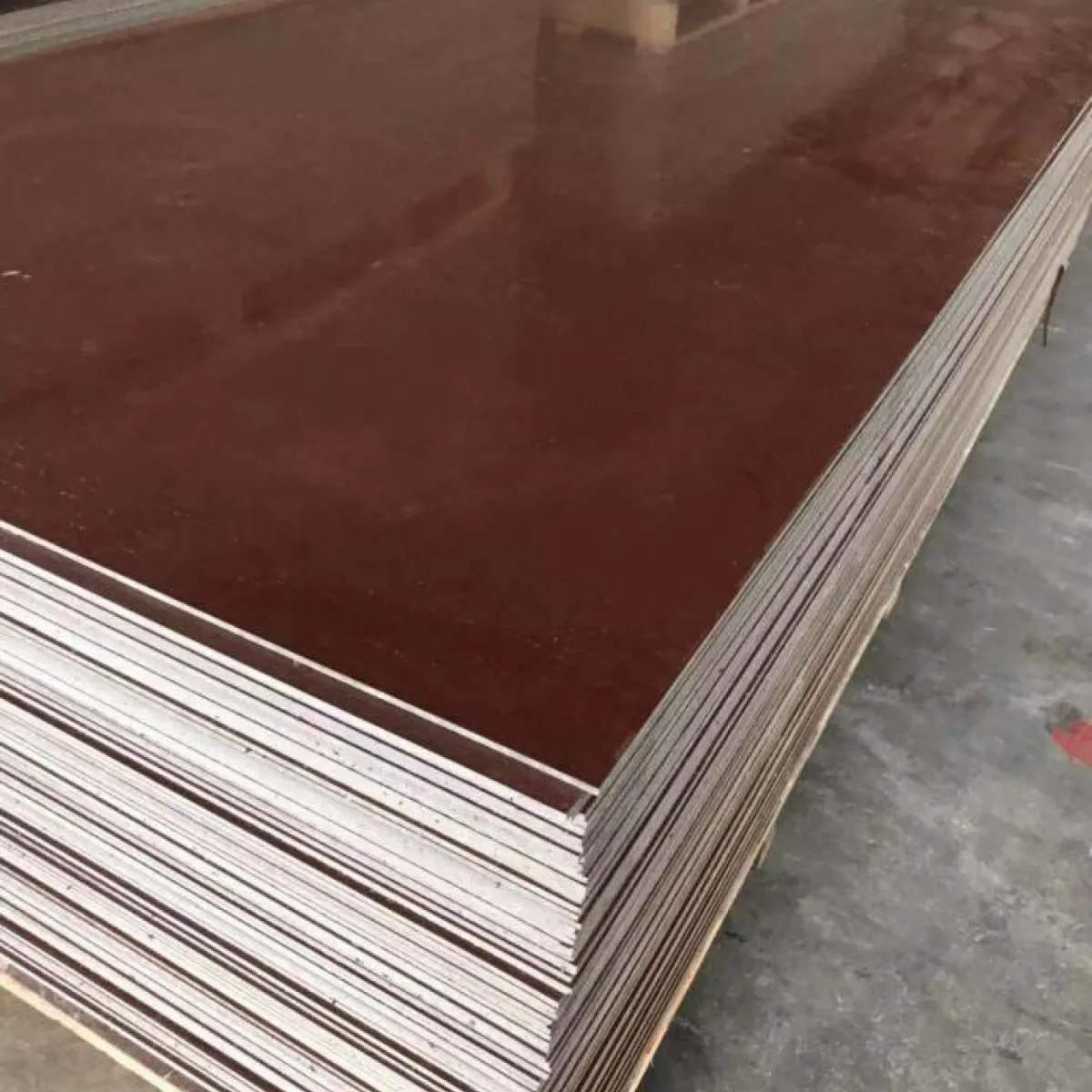
Los distintos grados de PFCP están diseñados para diferentes condiciones de funcionamiento.
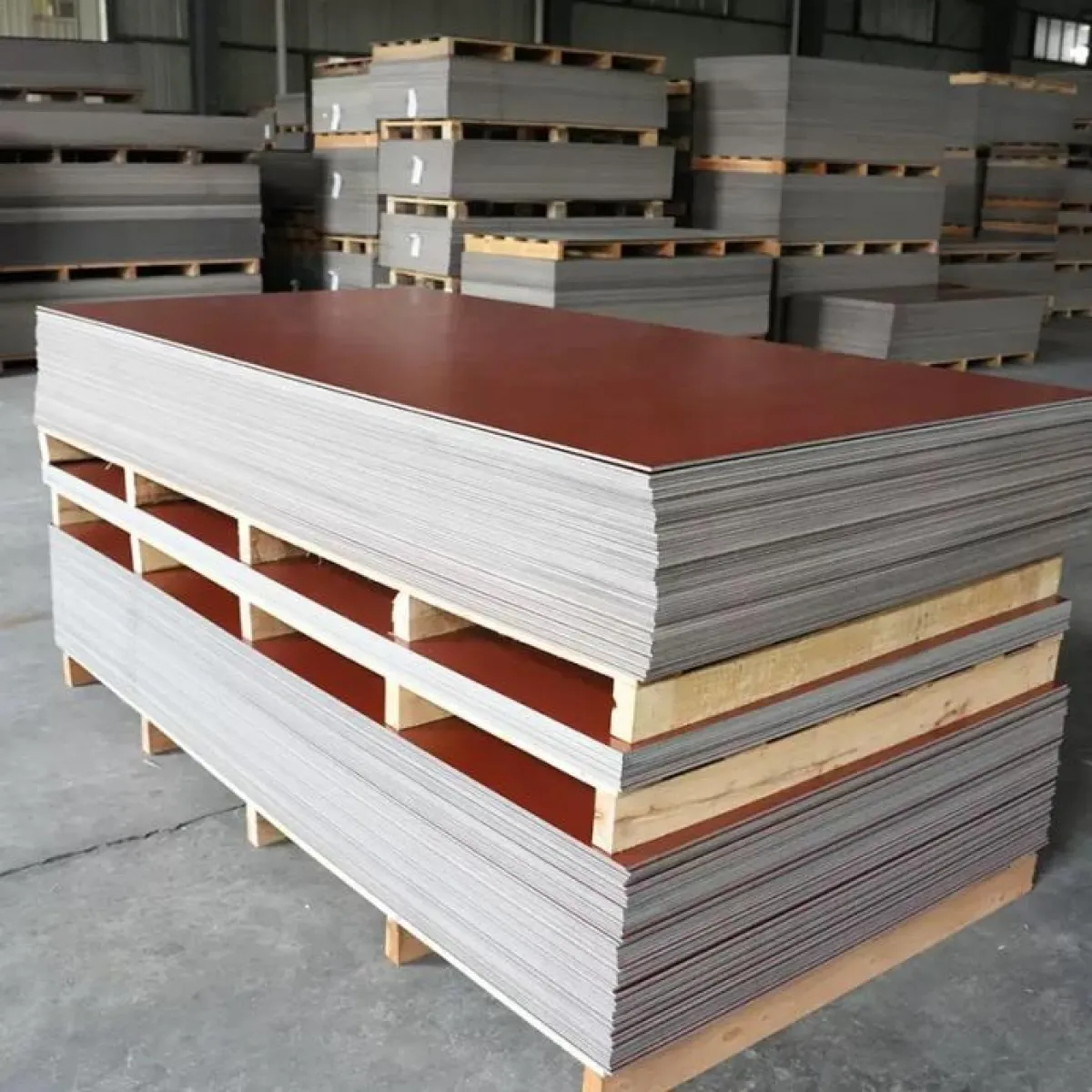
El PFCP201 se fabrica utilizando papel aislante de alta calidad impregnado con resina fenólica. Tras inspeccionar minuciosamente las materias primas, el papel pasa por una máquina automática
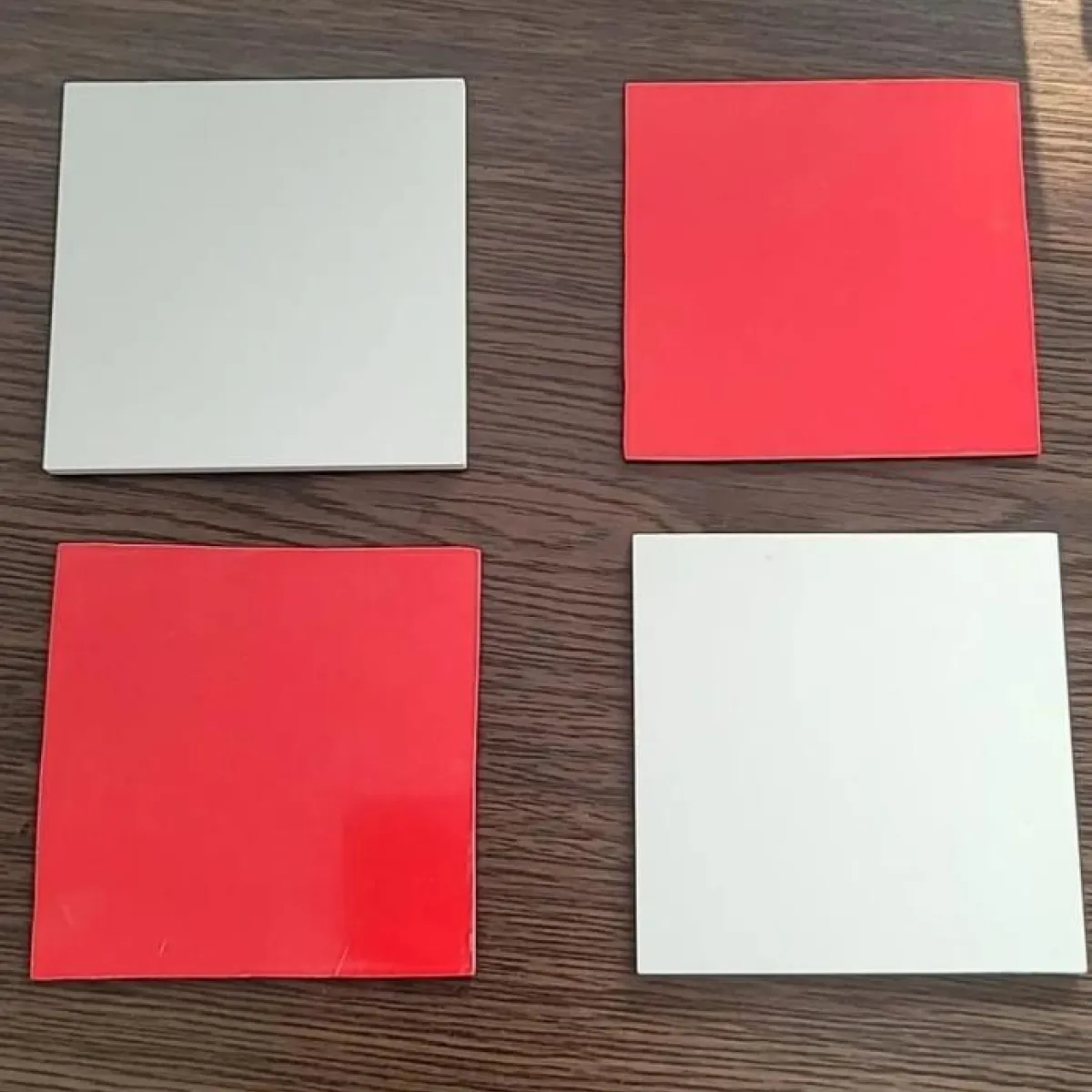
El panel aislante GPO-3, también conocido como UPGM-203, es un material aislante eléctrico rígido fabricado a partir de una malla de fibra de vidrio sin álcalis impregnada con resina de poliéster insaturada y pro
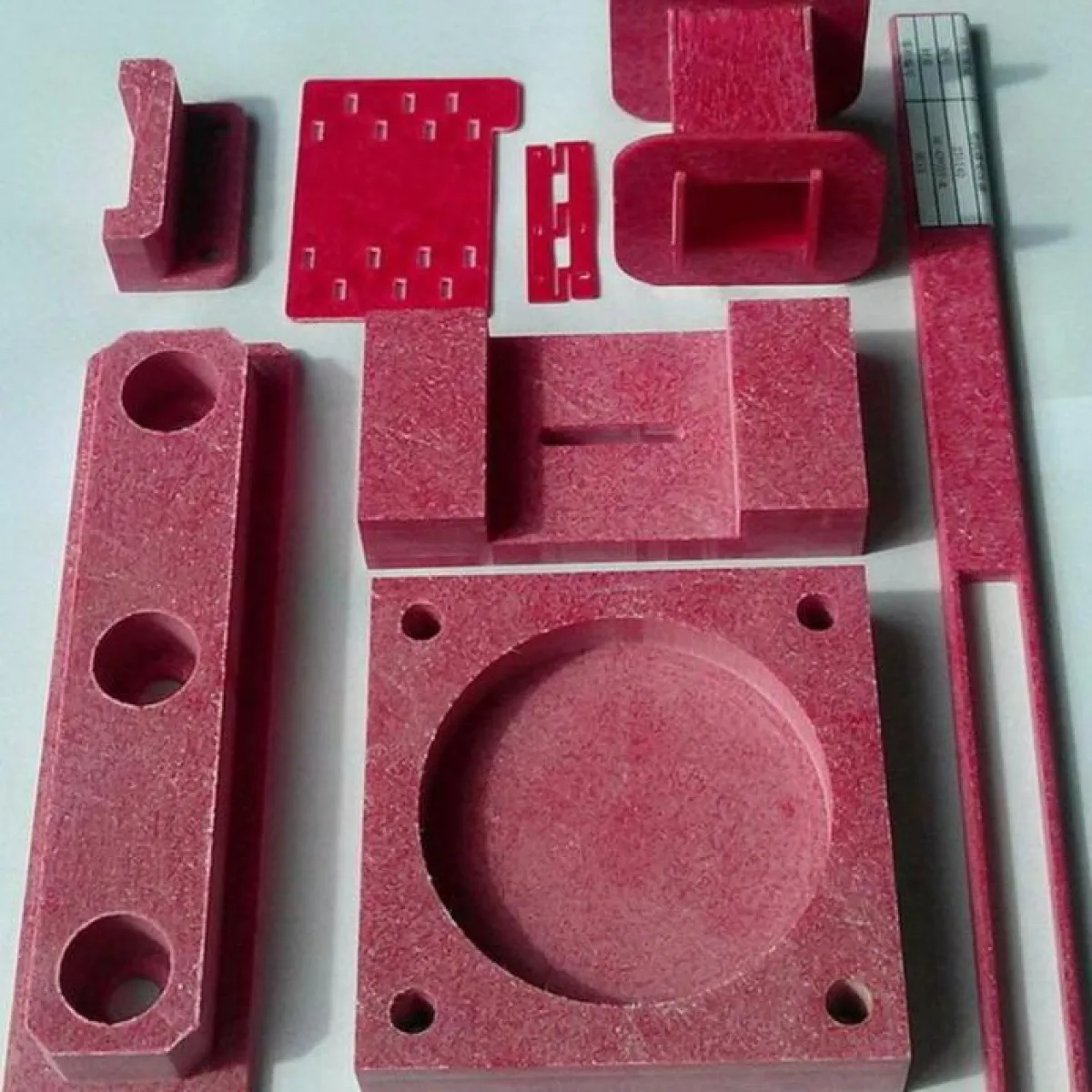
En comparación con muchos materiales aislantes convencionales, el GPO-3 ofrece dos ventajas especialmente importantes: una gran resistencia al calor y a la humedad, y un aislamiento eléctrico estable p
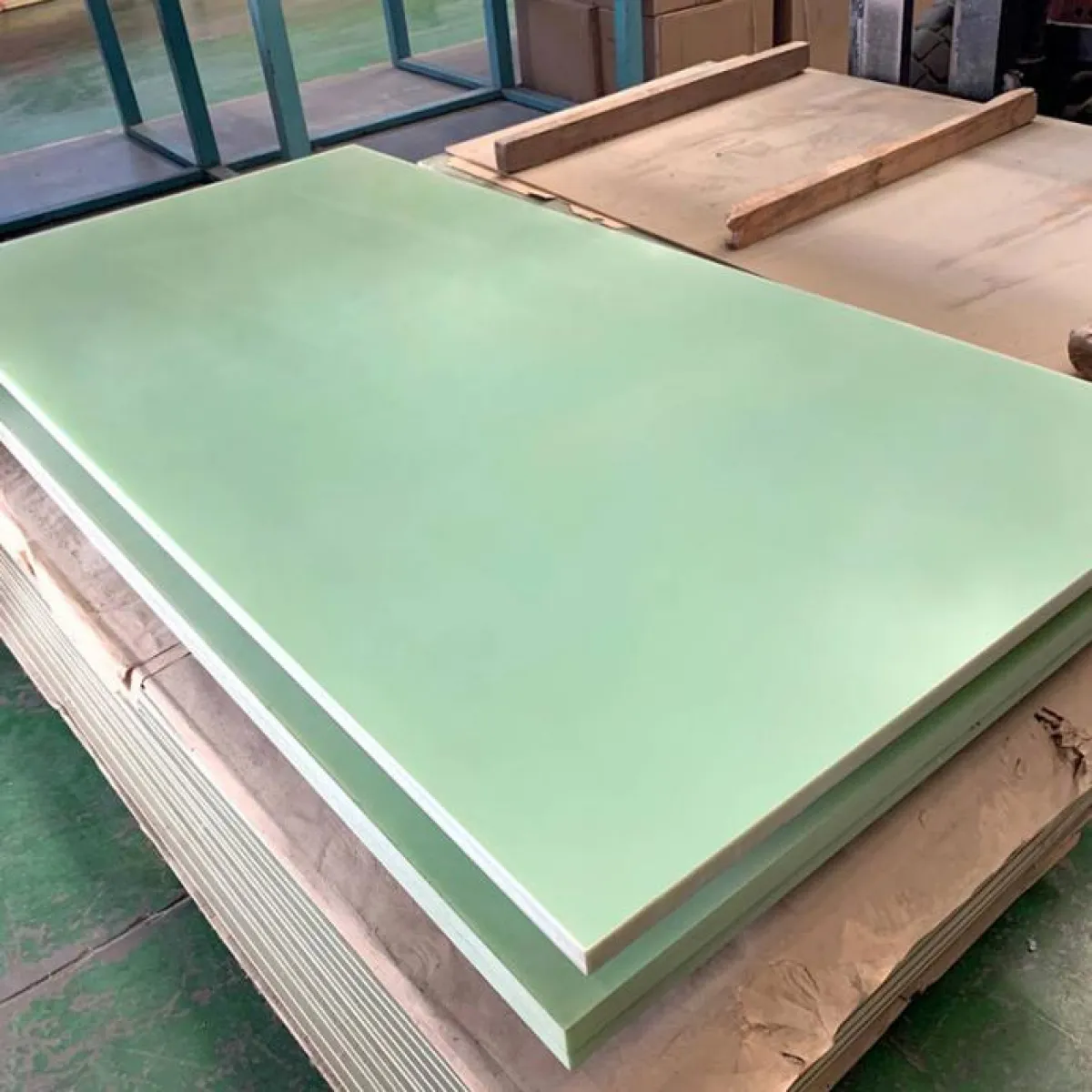
Sin embargo, puede que no sea suficiente seleccionar un material aislante criogénico basándose únicamente en sus propiedades estándar. En condiciones reales de funcionamiento, la inmersión continua, las cargas mecánicas concentradas,

La lámina de tela de fibra de vidrio con silicona (G7) combina resina de silicona con tela de fibra de vidrio para ofrecer un equilibrio entre resistencia a altas temperaturas, aislamiento eléctrico, resistencia mecánica y
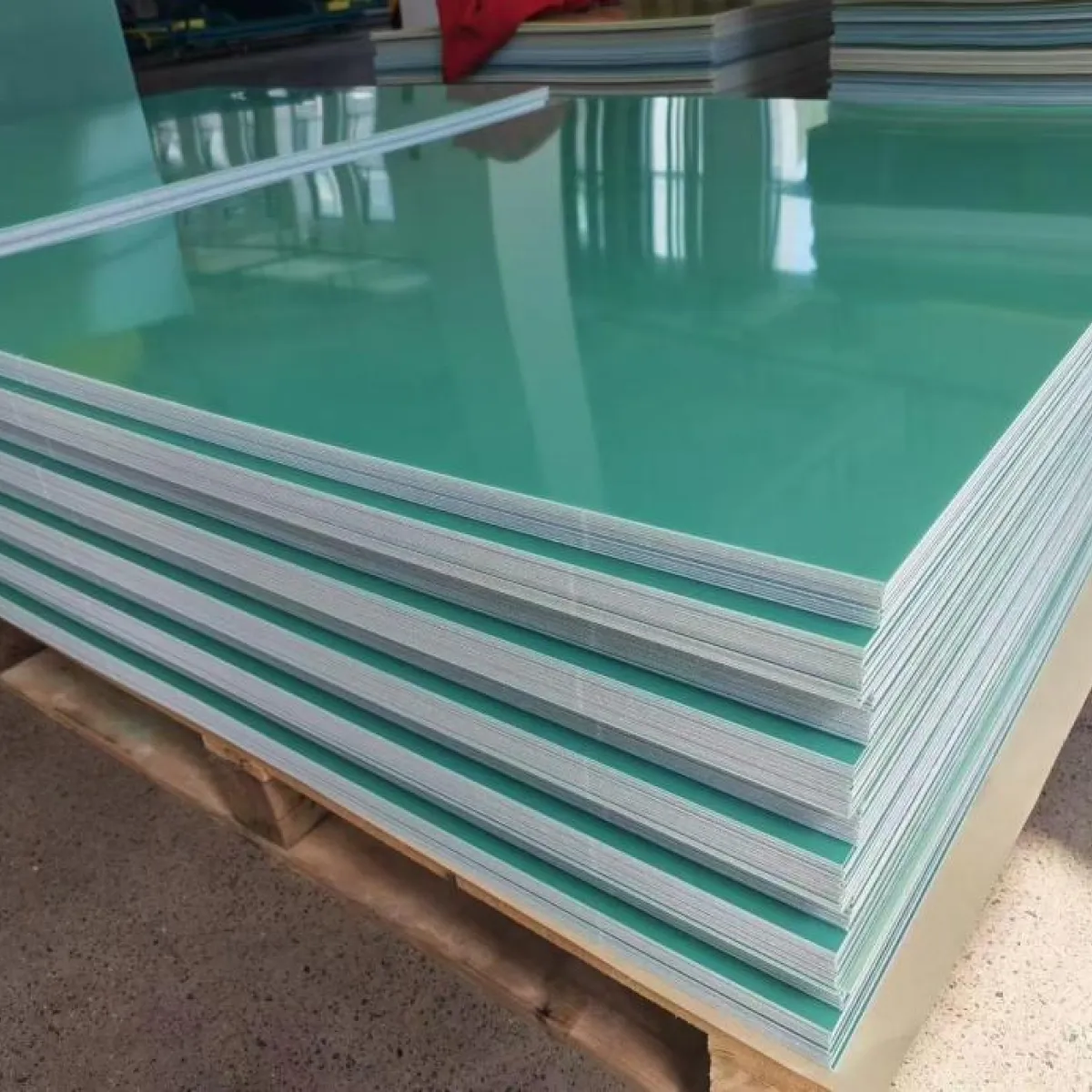
Estas propiedades hacen que el EPGC308 sea especialmente adecuado para equipos eléctricos que funcionan en condiciones de alta temperatura, alta humedad y alta tensión.
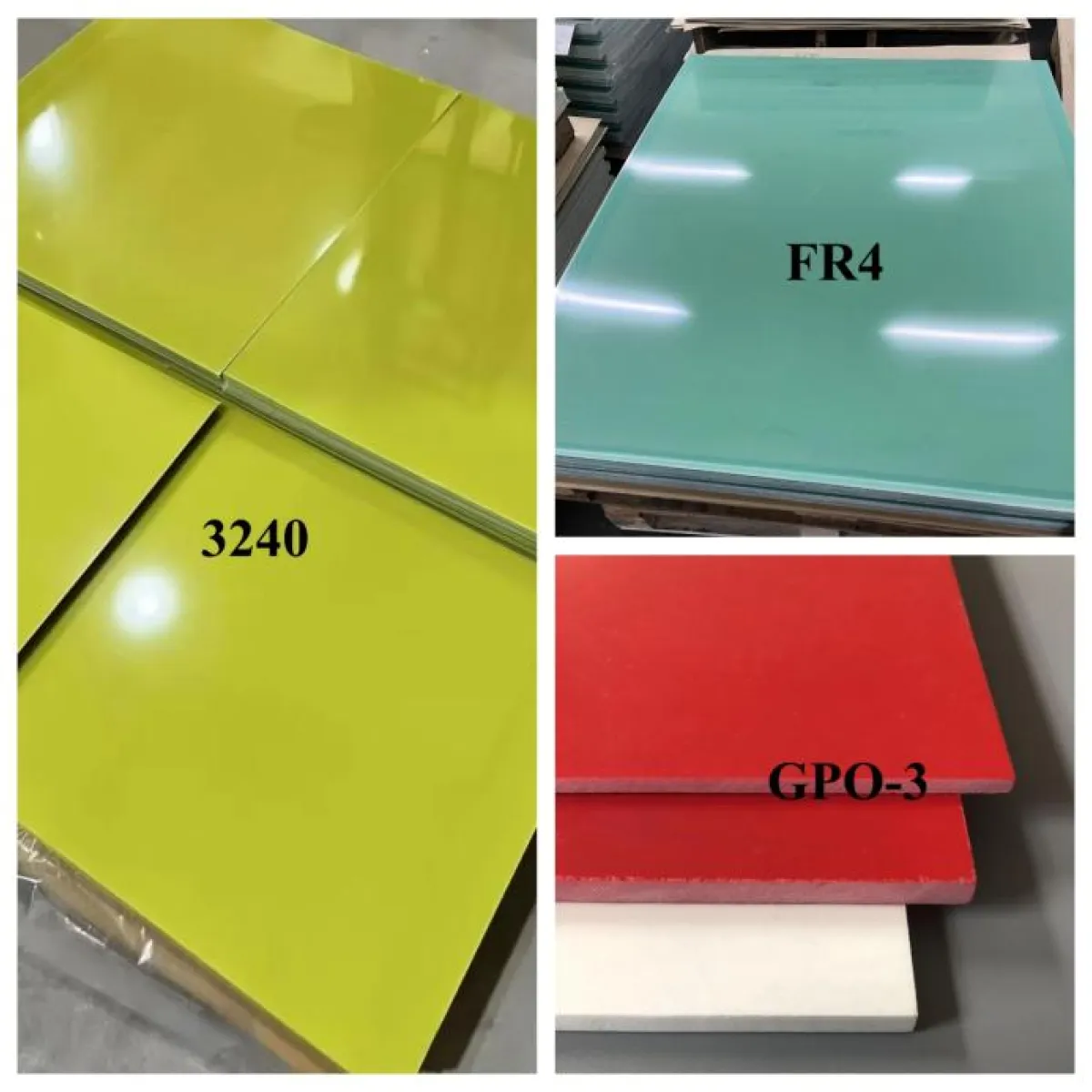
Comprender estas diferencias puede ayudar a los ingenieros y a los compradores a seleccionar el material aislante más adecuado para sus condiciones de funcionamiento específicas.
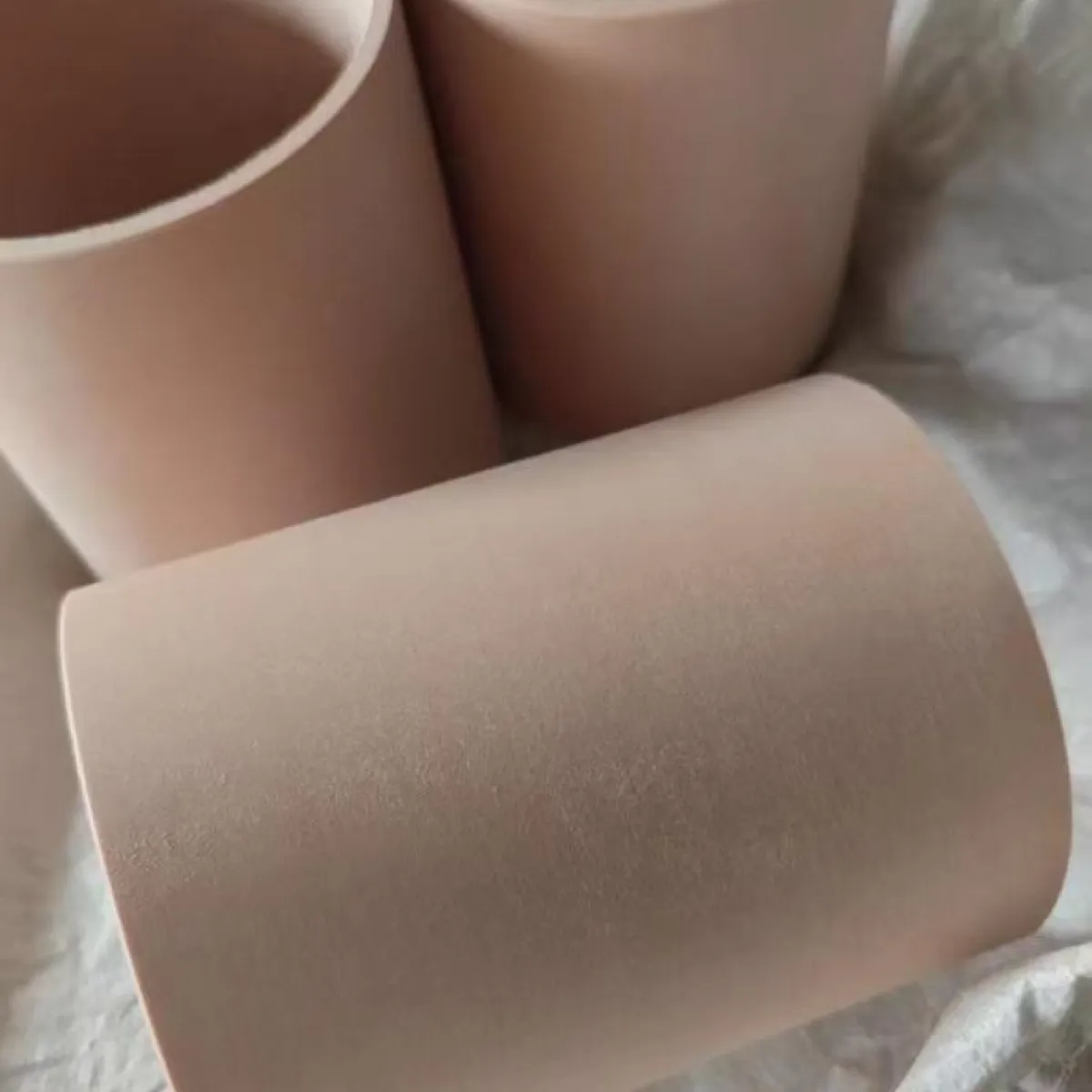
Phenolic Cotton Tube boasts multiple prominent competitive strengths for industrial use. It features extraordinary insulating performance: fully non-conductive, anti-static, and st
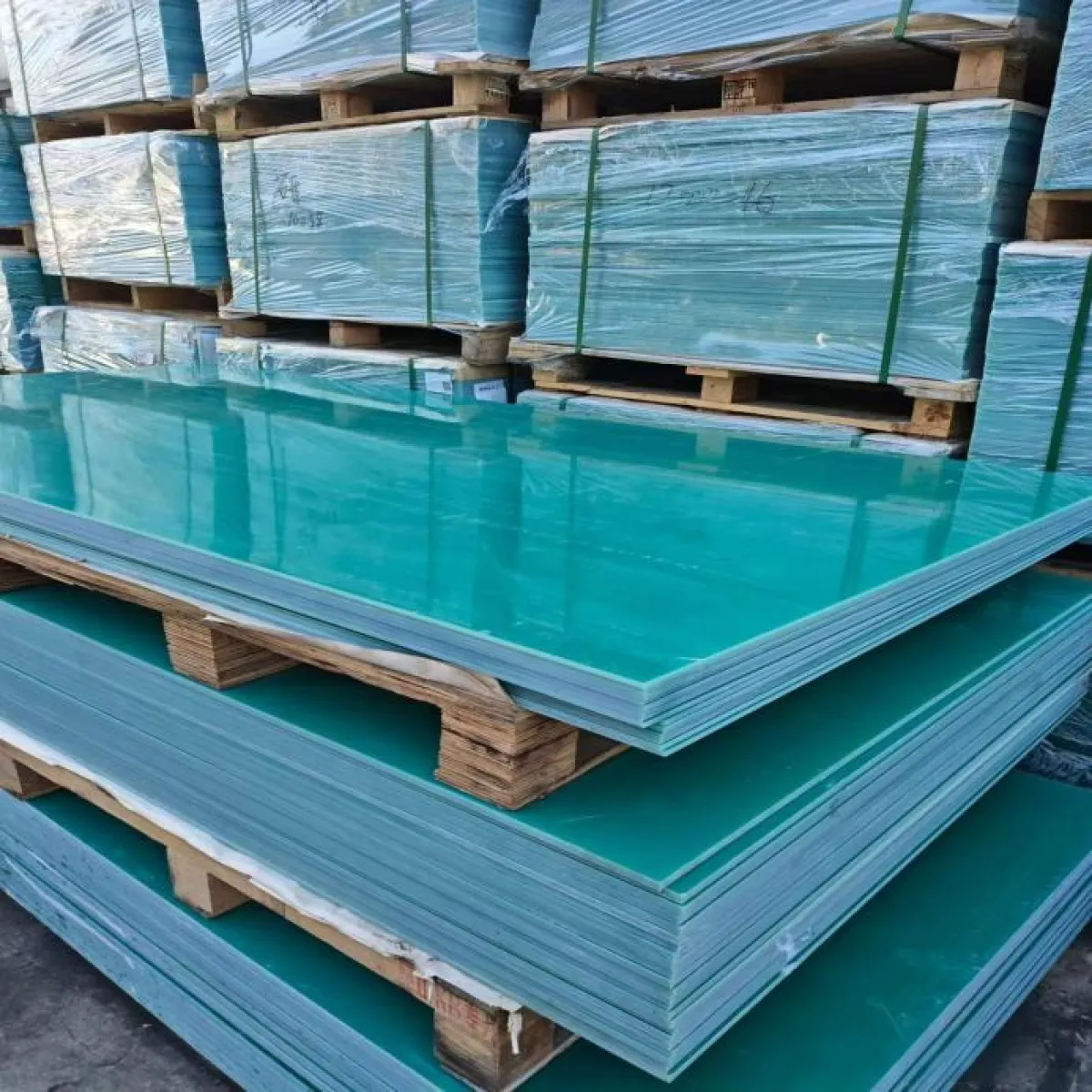
First let us look at its regular uses. In power plants, substations, power distribution rooms and other sites, Insulation Laminated Board is commonly laid on floors to avoid electr

No.3, Mianzhi Street, Zhucheng, Shandong, China






Copyright © 2025 by Qingdao Yilong Insulation Material Company Limited Todos los derechos reservados